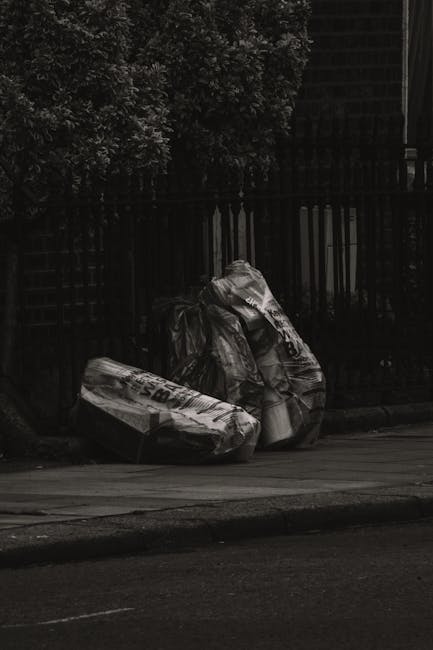
How to book rubbish collection on Green Street Newham E13
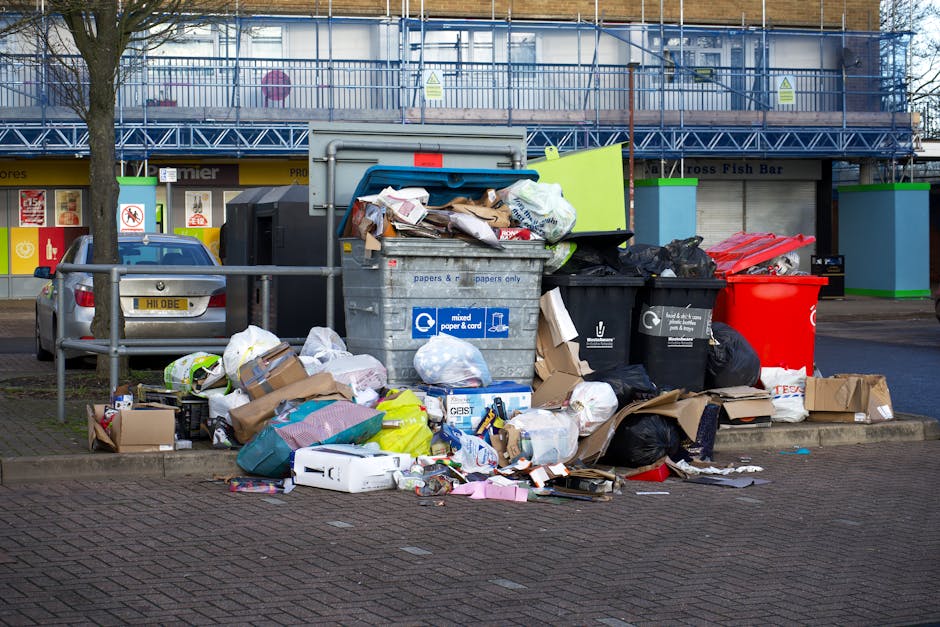
If you need to clear out rubbish on or near Green Street in Newham E13, the process can feel a bit more awkward than it should. Bags pile up, bulky items get in the way, and suddenly you're trying to figure out who collects what, when, and how much hassle it's going to be. The good news is that How to book rubbish collection on Green Street Newham E13 is usually straightforward once you know the right steps and the questions to ask.
This guide walks you through the practical side of booking a collection, from checking what you need removed to preparing access, comparing service options, and avoiding the common mistakes that slow everything down. If you're clearing a home, a flat, a shop, or a small site near Green Street, this will help you make a cleaner, quicker decision. No fuss, no guesswork.
Expert summary: the easiest bookings are the ones where you know the load type, can describe access clearly, and choose a service that matches the amount of waste rather than trying to force everything into one generic option.
Why booking rubbish collection on Green Street matters
Green Street and the wider E13 area are busy, lived-in parts of Newham. That sounds obvious, but it matters. A collection that works in a quiet suburban street may not work so neatly here, especially if parking is tight, access is awkward, or you're dealing with a shared hallway in a flat above a shop. The better prepared you are, the smoother the collection usually goes.
There's also the simple reality that rubbish left too long can become a nuisance. It can block a doorway, smell unpleasant in warmer weather, and attract complaints from neighbours or managing agents. We've all seen the "I'll sort it at the weekend" pile turn into a small mountain by Thursday. It happens fast.
Booking properly also helps you avoid wasting money. If you book a service too small, you may need a second visit. If you choose something too large, you can end up paying for capacity you never use. Neither is ideal. A well-matched rubbish collection keeps the job efficient and, honestly, less stressful.
If your waste is part of a bigger project, it may also be worth understanding nearby related services such as general waste removal, house clearance, or flat clearance. Choosing the right service type from the start makes the whole thing feel far more manageable.
How booking rubbish collection on Green Street Newham E13 works
In practical terms, the booking process is usually a mix of description, scheduling, access planning, and confirmation. It sounds formal, but the actual conversation is often simple. You explain what needs collecting, roughly how much there is, where it is located, and how easy it is to get to. Then the service provider gives you an estimate or a quote and arranges a collection slot.
The key is being accurate without overcomplicating it. If you have three bin bags, an old wardrobe, and some broken shelving, say that. If the waste is spread over a loft, a garden shed, or a back yard with narrow access, mention that too. Small details save a lot of back-and-forth later.
For many people, the booking also involves deciding whether the job is straightforward domestic waste, bulky item removal, or something a little more specialised. A few mattresses are one thing; a renovation load from a building job is another. If the waste includes bricks, rubble, plasterboard, or timber offcuts, a dedicated option like builders waste clearance may be more suitable than standard rubbish collection.
To be fair, a good service should help you identify the right category if you're unsure. That's part of the value. You don't need to be an expert in waste types. You just need to describe what's there plainly and honestly.
Key benefits and practical advantages
Booking rubbish collection locally on Green Street has a few obvious benefits, but some less obvious ones too. The most immediate advantage is time. Instead of hiring a van, loading waste yourself, and trying to find a place to dispose of it legally, you hand over the job and get on with your day. That alone can be worth it when your week is already packed.
Another benefit is physical ease. Bulky waste is awkward. Heavy furniture, mixed household junk, garden cuttings, and old appliances are rarely fun to move down stairs or through narrow hallways. If you've ever tried to drag a damp carpet through a tight landing, you know the feeling. Not glamorous, not at all.
There's also the cleanup benefit. Professional rubbish collection is usually tidier than making multiple trips yourself, especially if waste is spread around a property. This matters in homes, offices, and shared buildings where you want to avoid scratching walls, leaving debris in corridors, or irritating neighbours.
And then there is confidence. A clear booking means clearer expectations: what gets taken, when it happens, how access is handled, and what the process looks like if the load changes slightly on the day. That clarity is underrated. It turns a messy job into something predictable.
- Saves time and reduces disruption
- Helps with bulky or awkward items
- Reduces the chance of illegal or careless disposal
- Useful for homes, flats, shops, and small offices
- Can be scaled to small, medium, or larger clearances
Who this is for and when it makes sense
This kind of booking makes sense for a fairly wide range of people. Homeowners clearing out unwanted items, tenants moving between properties, landlords dealing with end-of-tenancy waste, and local businesses with accumulated rubbish all have good reasons to arrange collection.
If you live in a flat near Green Street, especially in a building with stairs or shared access, it can be more practical to book a collection than to try handling the load yourself. Flat clearances often have time and access pressure, and you do not always want waste sitting in a communal area any longer than necessary. In those situations, flat clearance can be the better fit.
It also makes sense if you are dealing with specific item types. Old sofas, tables, wardrobes, and beds are common booking reasons, and if you're replacing furniture all at once, a dedicated furniture service may be more efficient. For larger domestic jobs, options like furniture clearance or furniture disposal can be more appropriate than a general collection.
On the other hand, if you only have a couple of lightweight bags and your local collection route suits you, a separate paid service may not be necessary. The sensible move is to match the service to the scale of the problem. Simple as that.
Step-by-step guidance
Here is the practical way to book rubbish collection on Green Street Newham E13 without turning it into a headache.
- Make a clear list of what needs removing. Separate general rubbish, bulky items, garden waste, electricals, and construction debris if applicable. That helps avoid confusion later.
- Estimate the volume. Think in terms of bin bags, boxes, cupboards, or the size of a corner of a room. You do not need a perfect measurement, just something useful.
- Check access. Note stairs, narrow corridors, parking restrictions, gated entrances, or rear access. A van can only work with the space it can safely reach.
- Decide whether the load is standard or specialist. Household waste is different from builders' rubble or business waste. If you are dealing with office contents, for example, an office clearance approach may fit better.
- Request a quote or booking slot. Give a clear description so the price or estimate reflects the real job. Vague descriptions tend to cause awkward surprises.
- Prepare the waste in advance. Group items together if possible and make sure walkways are clear. A neat pile is quicker to load than scattered clutter.
- Confirm what is included. Ask whether labour, loading, disposal, and sorting are part of the service. That detail matters.
- Be ready for collection day. If you need to be present, make sure someone is available. If access is shared, let neighbours or building management know when helpful.
That's the core process. Nothing mystical about it. The trick is staying organised for just ten minutes longer than feels necessary. It saves time on the day, which is always the bit you care about.
Expert tips for better results
From experience, the best rubbish collection bookings happen when the customer gives just enough detail, not a wall of information and not a shrug. "A few black bags" is too vague. "Five bags, a broken chest of drawers, a small appliance, and access via a narrow side path" is useful.
Here are a few tips that genuinely help:
- Take a quick photo of the waste before booking. Even if you do not send it, it helps you judge volume more accurately.
- Keep heavy items together so the loading point is obvious. A scattered pile slows the job down.
- Separate anything recyclable if asked. Good sorting can support better disposal and less waste to landfill.
- Measure awkward furniture. A wardrobe that looks manageable can suddenly be less manageable once it meets a stairwell.
- Flag access problems early. Parking in E13 can be straightforward one moment and awkward the next. Better to say so upfront.
If your waste is mostly garden-related, especially after a tidy-up or seasonal clear-out, a dedicated garden clearance service may save you time because the load type is easier to predict. Similarly, household jobs involving lofts, sheds, or hard-to-reach storage often benefit from a more specific approach such as loft clearance or garage clearance.
And one small thing people forget: plan for the awkward last items. There's always one odd bit. A wobbly lamp. A broken chair leg. The mystery box no one claims. You know the sort.
Common mistakes to avoid
Most problems with rubbish collection bookings come from a handful of avoidable mistakes. The first is underestimating volume. If you think in terms of "a couple of bags" and it turns out to be a roomful of mixed junk, the day can unravel pretty quickly.
The second mistake is not describing access properly. A collection team arriving to find no parking, a locked gate, or a staircase that is much tighter than expected can delay everything. Sometimes it is a minor inconvenience. Sometimes it becomes a second visit. Nobody wants that.
Another common issue is mixing waste types without mentioning it. A pile containing domestic rubbish, furniture, and construction debris is not the same as a pile of only bagged waste. Some loads are fine to combine, but the service needs to know what it is dealing with.
People also sometimes forget to check what is not accepted. Hazardous materials, specialist electrical waste, and other controlled items can require separate handling. If you are unsure, ask before the booking rather than after the van arrives. That little bit of caution goes a long way.
Finally, do not ignore the paperwork or service terms. A decent provider should explain pricing, payment, and service conditions clearly. If you want to review the company's approach to this side of things, pages like pricing and quotes, payment and security, and terms and conditions are the right places to start.
Tools, resources and recommendations
You do not need specialist software or a complex system to book rubbish collection well. A phone camera, a notes app, and a rough plan are usually enough. Still, a few simple tools make life easier.
- Phone camera: take a quick set of pictures from different angles.
- Notes app or checklist: write down item types, room locations, and access details.
- Measuring tape: useful for doors, stair corners, and large furniture.
- Calendar reminder: handy if you need to move items into one place before collection.
- Label stickers or masking tape: helpful when sorting what stays and what goes.
For larger domestic jobs, it may help to look at broader service pages like home clearance or house clearance, especially if rubbish is mixed with other unwanted belongings. For business settings, business waste removal is often the more relevant route.
One recommendation that sounds tiny but makes a real difference: keep a "do not remove" area if you are sorting items in a hurry. It avoids the classic moment when someone almost throws away the charger, the spare keys, or something equally annoying.
Law, compliance, standards and best practice
When booking rubbish collection in London, the main principle is simple: waste should be handled responsibly and disposed of through lawful, appropriate channels. You do not need to become a compliance expert, but it helps to know that legitimate waste services are expected to manage collection, transport, and disposal carefully.
Best practice usually includes clear identification of waste type, safe loading, sensible handling of reusable or recyclable material where possible, and proper treatment of any items that require special care. If the waste is from a business, there may be additional record-keeping or duty-of-care expectations. For domestic customers, the practical point is still the same: use a service that is transparent about what it takes and how it handles it.
Safety matters too. Heavy items, broken furniture, sharp edges, and unstable piles can all cause injury if handled badly. Reputable providers should have a sensible approach to loading and site safety. If you want to understand how a provider thinks about this, the pages on health and safety policy and insurance and safety are useful trust signals.
Recycling and sustainability are part of the picture as well. Not every item can be reused, of course, but it is reasonable to expect waste to be sorted and processed in a way that supports responsible disposal where possible. That is one of the reasons a clear, professional booking matters. It is not just about getting rid of stuff; it is about doing it properly.
Options, methods and comparison table
There is more than one way to handle rubbish collection, and the best option depends on volume, urgency, and the kind of waste involved. A quick comparison can make the decision easier.
| Option | Best for | Pros | Watch-outs |
|---|---|---|---|
| Standard rubbish collection | Bagged waste, light mixed rubbish, small clear-outs | Quick, simple, generally easy to arrange | May not suit bulky items or heavy loads |
| Bulky item collection | Sofas, beds, wardrobes, white goods | Better for awkward or large items | Needs accurate item description and access details |
| House or home clearance | Multiple rooms, mixed domestic clutter | Good for larger clear-outs and fuller properties | Can be more involved than a basic collection |
| Garden clearance | Green waste, branches, soil, shed contents | Useful after outdoor clean-ups | Mixed waste may need separate handling |
| Builders waste clearance | Renovation and construction debris | Designed for heavier project waste | Must not be treated like ordinary household rubbish |
For many Green Street households, the choice is between a basic waste removal visit and something more specific. If the load is mostly furniture, use a furniture-focused service. If it is renovation debris, use a builders waste option. That simple match often saves time and money.
Case study or real-world example
Imagine a family in a flat off Green Street preparing for a move. They have four bin bags, an old sofa, a broken bookcase, some packaging from new furniture, and a few items stored in a hallway cupboard. At first glance, it feels like "just rubbish." But once they list it properly, it becomes clear that the job is a mix of bulky household waste and clearance rather than a few bags at the kerb.
They take photos, note that the building has one narrow staircase, and mention that parking is limited between school drop-off times. They also group the items together the evening before collection. Nothing fancy. Just organised.
The result is a smoother booking, fewer surprises, and a quicker pickup on the day. The old sofa is taken without drama, the smaller waste is removed in one go, and the family avoids a second trip or a last-minute rethink. That is the kind of outcome people usually want, even if they do not say it out loud.
Another small but realistic example: a shop near the street closes for a refit and needs packaging, shelves, and a few damaged fixtures removed. In that case, a business-focused approach is better than trying to squeeze it into a domestic-style booking. The difference is not just terminology. It affects planning, timing, and the whole job shape.
Practical checklist
Use this checklist before you book rubbish collection on Green Street Newham E13.
- List every item or waste type that needs removing
- Estimate how much there is in bags, boxes, or large items
- Check access routes, stairs, doors, gates, and parking
- Separate standard rubbish from furniture, garden waste, or builders waste
- Take a few photos for reference
- Decide whether you need standard collection or a more specific service
- Confirm what is included in the booking or quote
- Prepare the waste so it is easy to load
- Keep valuables, documents, and items you want to keep well away from the pile
- Make sure someone is available if access or confirmation is needed on the day
Quick takeaway: the more clearly you describe the waste and the access, the better the booking tends to go. It really is that simple, even if the job itself feels messy at first.
Get a free quote today and see how much you can save.
Conclusion
Booking rubbish collection on Green Street Newham E13 does not need to be complicated. Once you know what is being removed, how much there is, and how easy the access will be, the rest becomes a practical scheduling task rather than a stressful one. A clear description, a sensible service choice, and a little preparation usually make all the difference.
If you are dealing with furniture, a flat clear-out, garden waste, or a larger household job, it helps to choose the service that fits the load rather than hoping one option will suit everything. That is where smooth jobs come from. Not perfect jobs. Smooth ones.
And if your rubbish has been sitting there for a while, no judgement. It happens. The important thing is taking the next step and getting it sorted with as little disruption as possible. One good booking can make a very messy corner feel manageable again.
Frequently Asked Questions
How do I book rubbish collection on Green Street Newham E13?
Start by listing the waste, estimating the volume, checking access, and requesting a booking or quote from a suitable collection service. Clear details usually lead to a smoother and more accurate arrangement.
What information should I give when I book?
Say what the items are, how many there are, whether they are bulky, where they are located, and whether there are stairs, parking limits, or tight access points. The more practical detail you give, the better.
Can I book collection for a flat on Green Street?
Yes, and for many flats it is the most practical option. Shared entrances, stairs, and limited storage can make a dedicated collection far easier than trying to move waste yourself.
What if I have furniture as well as rubbish?
That is very common. Furniture can often be collected alongside mixed waste, but it is best to mention it clearly. For larger furniture-only jobs, a dedicated furniture service may be the better fit.
Is builders waste treated differently from household rubbish?
Usually, yes. Construction debris such as rubble, plasterboard, timber, and similar materials may need a builders waste clearance approach rather than standard rubbish collection.
How can I avoid paying for more than I need?
Be realistic about the amount of waste, and do not overestimate "just in case" unless the job is genuinely close to a larger load. Good photos and a short item list help keep things accurate.
Do I need to be present for the collection?
Sometimes yes, sometimes no. It depends on the provider, access, and whether there are any questions on the day. If the waste is behind a gate or inside a property, someone may need to be available.
What should I do before collection day?
Group items together, clear a route to the waste, and remove anything you want to keep. If possible, make the pile easy to see and easy to reach. That small bit of prep helps a lot.
Can businesses near Green Street book rubbish collection too?
Absolutely. Shops, offices, salons, and other local businesses often need ongoing or one-off collection support. Business waste removal may be a better fit than a domestic-only service.
What happens if my load changes after I book?
Tell the provider as soon as possible. If the amount or type of waste changes significantly, the booking may need to be adjusted so the collection still works properly.
How do I know if a provider is trustworthy?
Look for clear pricing, transparent terms, sensible safety information, and a straightforward explanation of what happens to the waste. Pages such as about, insurance, and sustainability details can help you judge that.
What is the simplest way to make the collection go smoothly?
Be clear, be honest, and prepare the waste before the agreed time. It sounds basic, but honestly, that is what makes most collections efficient and hassle-free.
If you want to explore more about the service approach, visit about us, review the company's recycling and sustainability approach, or get in touch through the contact page when you are ready to move forward.