Top 10 Effective Methods to Cut Down on Green Waste
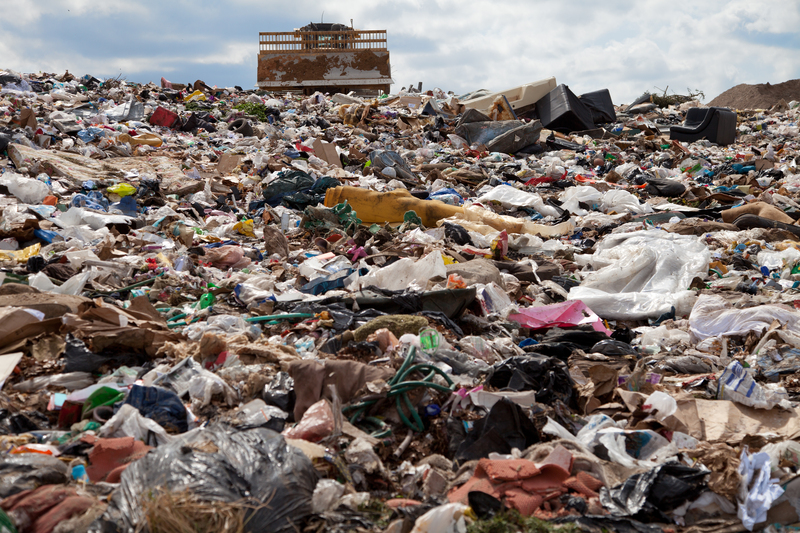
Green waste management is essential for maintaining an environmentally-friendly lifestyle and promoting sustainability. By reducing the amount of garden waste and organic matter discarded, individuals can contribute significantly to decreasing landfill use and preventing environmental damage. Let's explore the top 10 effective methods to cut down on green waste and help you keep your garden and community greener.
1. Composting at Home
Composting is an excellent way to turn green waste into a valuable resource for your garden. It involves breaking down organic waste into a nutrient-rich soil amendment, reducing the need to dispose of these materials.
- Gather organic waste including fruit peels, vegetable scraps, and garden clippings.
- Ensure you have a balance of browns (e.g., dried leaves, paper) and greens (e.g., grass clippings, kitchen scraps) in your compost bin.
- Turn and aerate the compost pile regularly to speed up decomposition.
2. Mulching
Mulching involves using organic waste such as shredded leaves, grass, or wood chips as a protective layer on the soil surface. This method not only reduces green waste but also enhances soil health by retaining moisture and suppressing weeds.
- Apply a two to three-inch layer of mulch around plants and trees.
- Use a mulching mower to directly recycle grass clippings back into the lawn.
3. Grasscycling
Grasscycling is the process of leaving grass clippings on the lawn after mowing. This simple technique returns valuable nutrients and reduces the need for commercial fertilizers.
- Mow regularly and ensure your lawn mower blades are sharp.
- Avoid cutting more than a third of the grass blade at once.
4. Smart Gardening Practices
Adopting smart gardening practices can reduce the amount of green waste you produce. Here's how:
- Choose perennials instead of annuals to minimize the replanting effort and waste.
- Plan a native plant garden that requires less maintenance and produces less waste.
4.1 Crop Rotation
Crop rotation improves soil health and reduces pest build-up, decreasing the need for removal and replacement of plants.
5. Vermicomposting
Vermicomposting uses worms to decompose organic waste. This method is efficient and produces high-quality compost known as vermicast, ideal for plants.
- Set up a worm bin in a shaded area of your home.
- Feed the worms kitchen scraps and avoid dairy or oily foods.
6. Community Composting
For those without space for a compost bin, community composting is an excellent alternative. Many local organizations provide composting facilities where residents can drop off their organic waste.
- Engage with local community gardens or environmental groups.
- Participate in neighborhood waste reduction initiatives.
7. Reusing and Repurposing
Finding creative ways to reuse or repurpose green waste can help minimize waste. This could include:
- Crafting plant pots from coconut shells or gourds.
- Creating decorative mulch paths with shredded twigs and branches.
8. Efficient Lawn Care
Efficient lawn care techniques can significantly cut down on green waste production.
- Use a reel mower to minimize clippings.
- Water your lawn deeply but less frequently to promote root growth.
9. Tree Pruning Techniques
Correct tree pruning ensures healthy growth while reducing the amount of green waste generated.
- Prune during the dormant season to minimize the production of large volumes of waste.
- Apply the three-cut pruning method: undercut, remove, and ensure a proper final cut.
10. Urban Garden Design
Implement strategic urban garden designs to minimize waste.
- Develop a container garden to control plant size.
- Utilize vertical gardening techniques to optimize space and reduce plant decay.
Conclusion
By adopting these effective methods to reduce green waste, you contribute to a more sustainable environment and create a healthier ecosystem. Whether you choose to compost, mulch, or engage in community initiatives, every small effort counts towards the bigger environmental picture. With these innovative practices, we can all play a part in reducing our ecological footprint and promoting a cleaner, greener world.